
SPOILER ALERT!
What Is Urea Nitrogen Fertilizer?
Plant Science
The identical chemical compound that's industrially produced is manufactured by the human physique. Fertilizer produced in the lab could have a extra constant concentration.
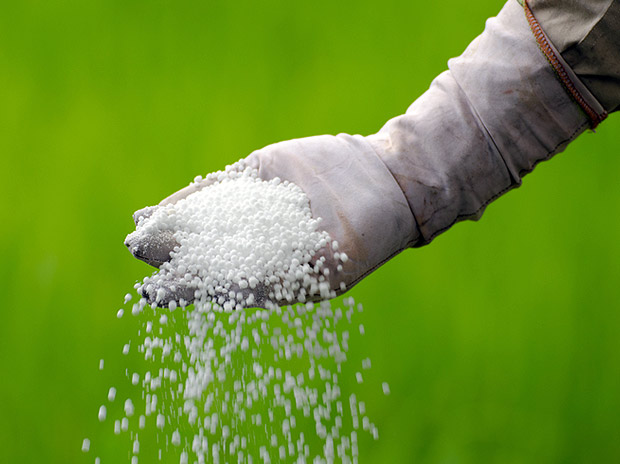
How do you give urea to plants?
Urea is a plant metabolite derived either from root uptake or from catabolism of arginine by arginase. In agriculture, urea is intensively used as a nitrogen fertilizer. Urea nitrogen enters the plant either directly, or in the form of ammonium or nitrate after urea degradation by soil microbes.
This then dissolves within the water and may be absorbed by plants for development. Nitrogen is required by crops to make protein and likewise to make chlorophyll, the inexperienced pigment in plants used to lure gentle and make sugars to develop. Before urea is was the nitrates your plants need, it first turns into ammonia fuel. Because gases can easily escape from the floor urea from Iran of the soil, applying fertilizer when the bottom is moist will assist to include the urea into the soil earlier than the chemical reaction begins. This means, more of the ammonia is trapped inside the soil.The top half inch (1.3 cm) of soil must be wet to maintain as a lot ammonia fuel within the soil as potential.
Method 2 of 2: Mixing Urea with Other Fertilizers
- It is a colorless, odorless solid, extremely soluble in water, and virtually non-poisonous (LD50 is 15 g/kg for rats).
- Urea serves an important position within the metabolism of nitrogen-containing compounds by animals and is the principle nitrogen-containing substance within the urine of mammals.

Days keep getting shorter and evaporative demand steadily declining here in N Central IN, but turf is still growing, not a bad time to continue “gently” feeding turf with soluble N and urea 46-0-0 is still one of the best bangs for your buck at this time of year
